Sir James Thornhill at The Sherborne: Dorset’s Baroque showman on our staircase
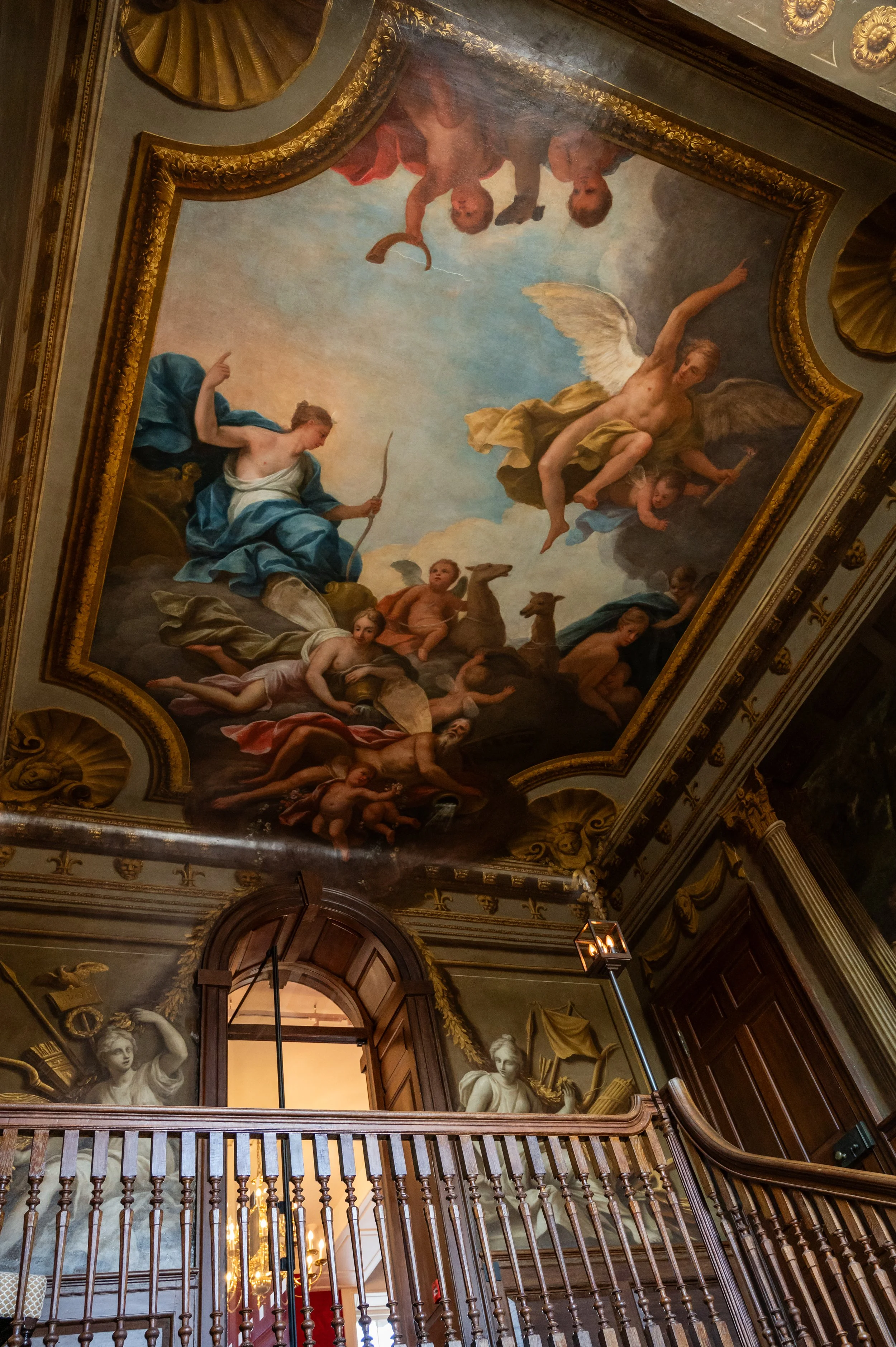
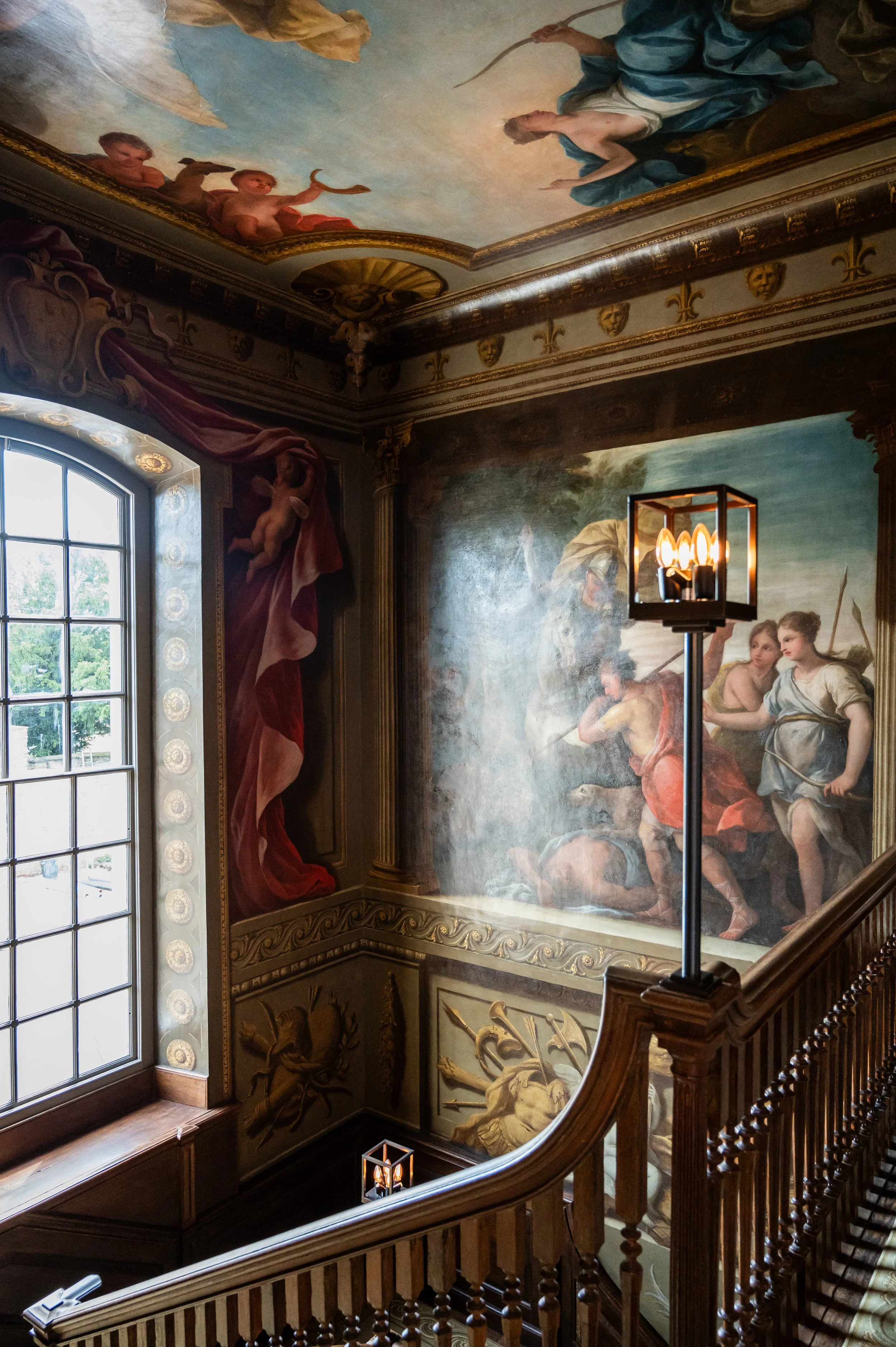
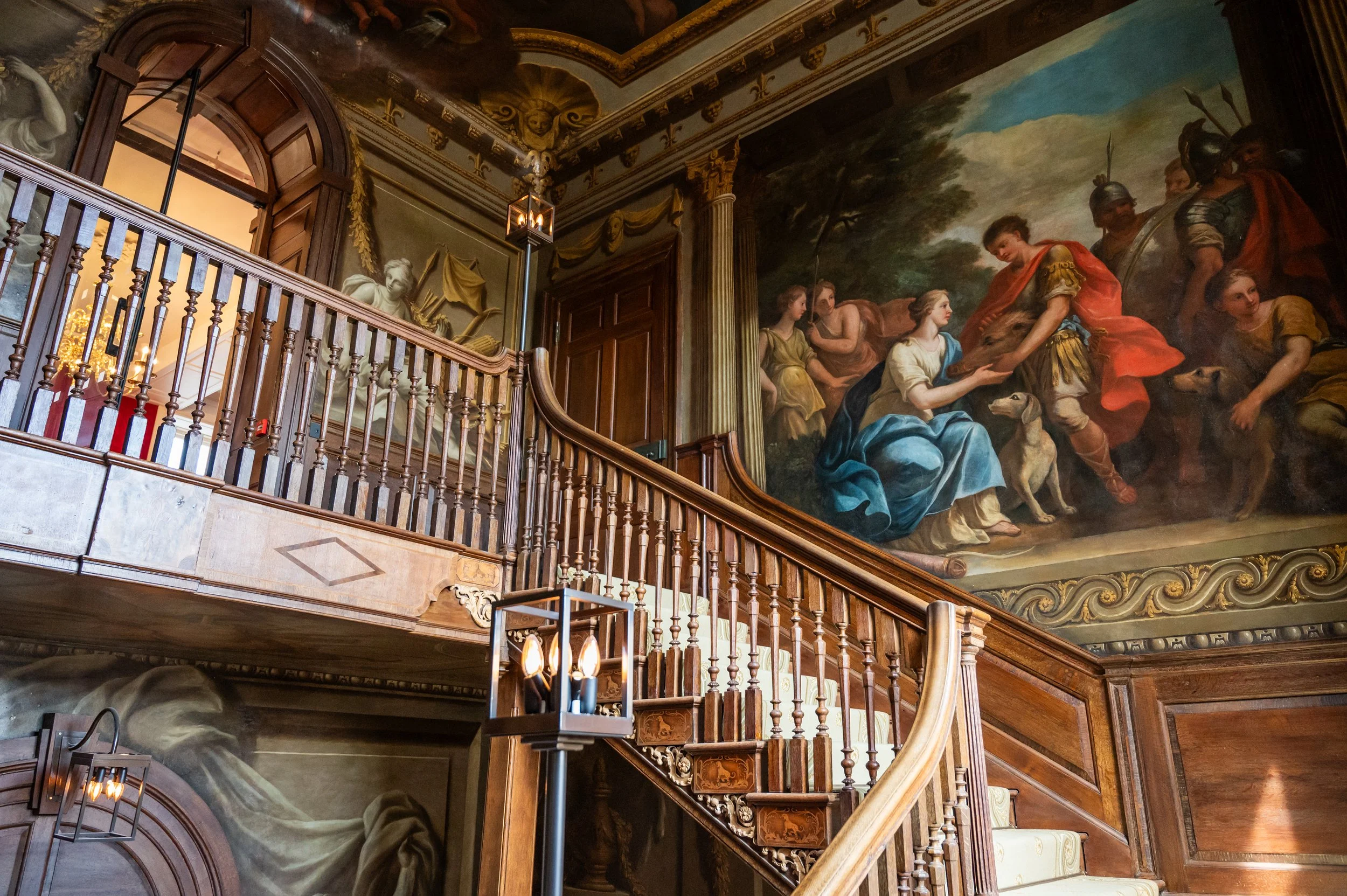
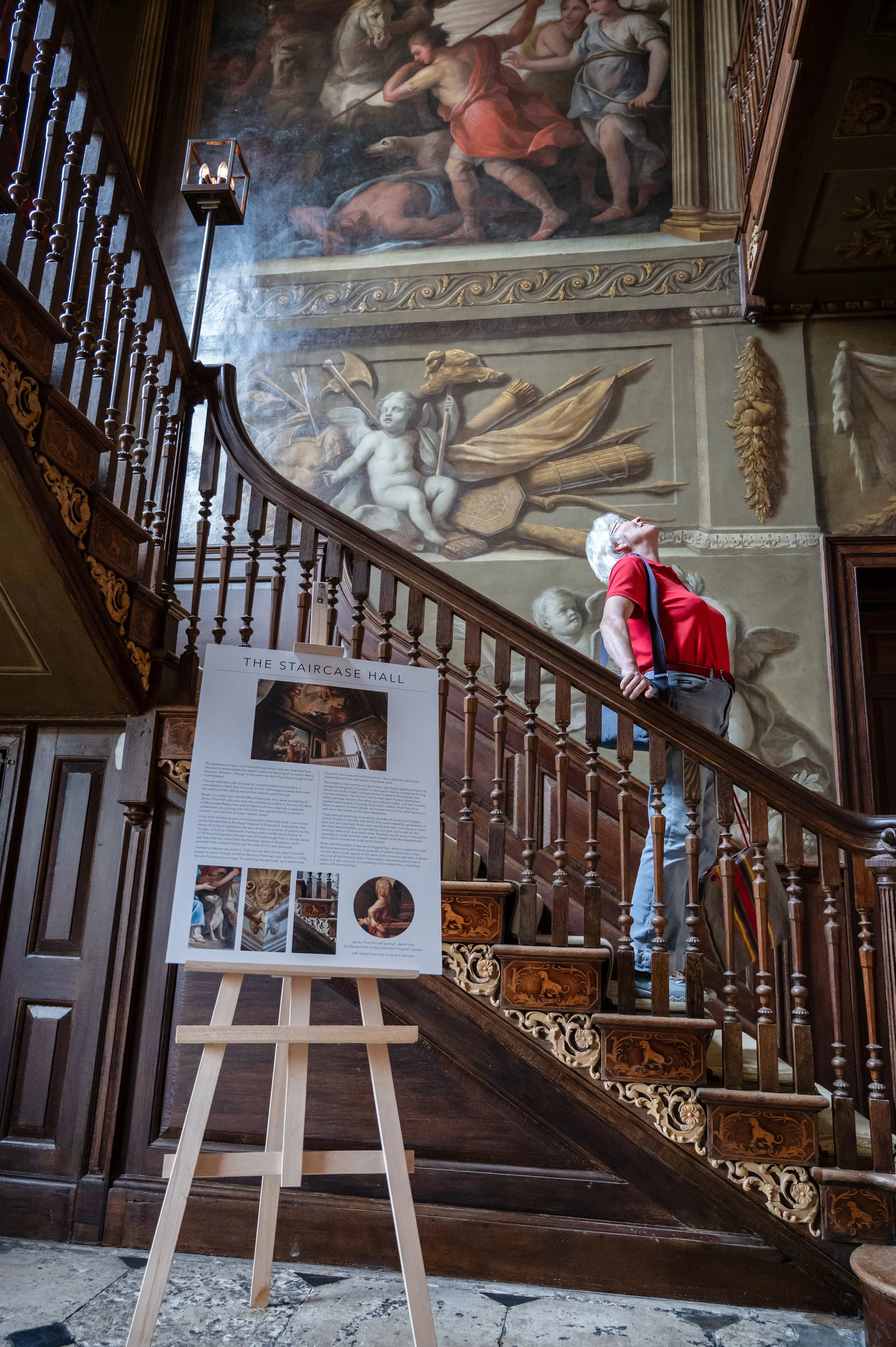
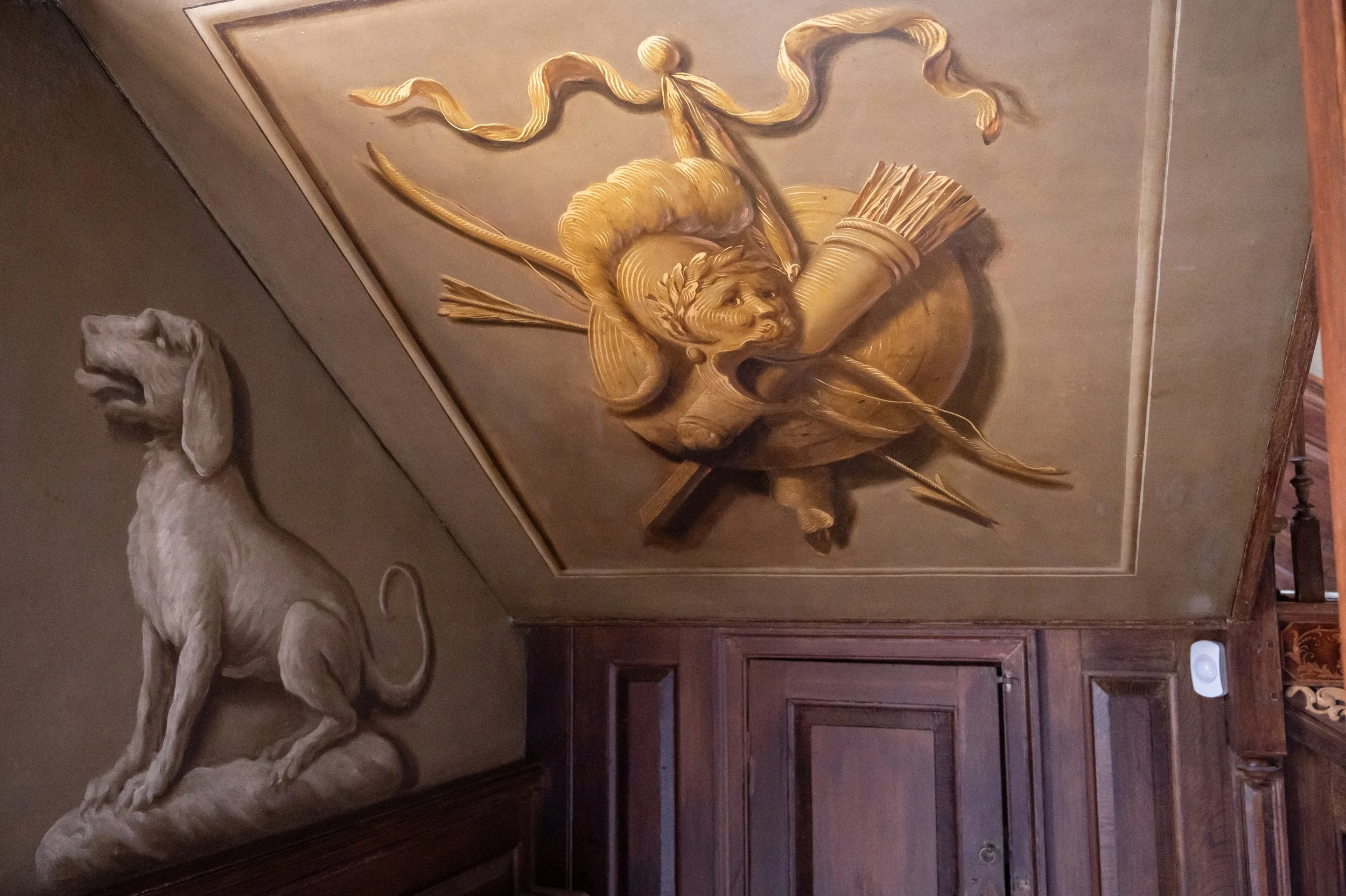
If you’ve ever paused halfway up the staircase at The Sherborne and felt as though the house itself is telling you a story — you’re not imagining it. Above and around you is the work of Sir James Thornhill (1675–1734): a painter with a taste for drama, movement, and big ideas, whose mural is one of the defining features of Sherborne House and a rare survival of his work in a domestic setting.
Thornhill is best known nationally for painting on an epic scale — including the Painted Hall at Greenwich and the inside of the dome of St Paul’s Cathedral — but here in Sherborne, his genius feels wonderfully close-up and human. It’s not a distant museum ceiling: it’s part of your visit, wrapped into the lived architecture of the building.
A Dorset artist who made it to the top (and still came home)
Thornhill was Dorset-born, and although commissions took him across the country, he retained a strong connection to his home county. Sherborne House is one of the places where that connection becomes tangible — not just as “a work on a wall”, but as a presence that still shapes how the house feels today.
And there’s a delightful ripple effect through art history, too: Thornhill later became father-in-law to William Hogarth, after Hogarth married Thornhill’s daughter, Jane. The Sherborne’s mural sits quietly inside that bigger story of British art finding its own voice.
What are you actually looking at?
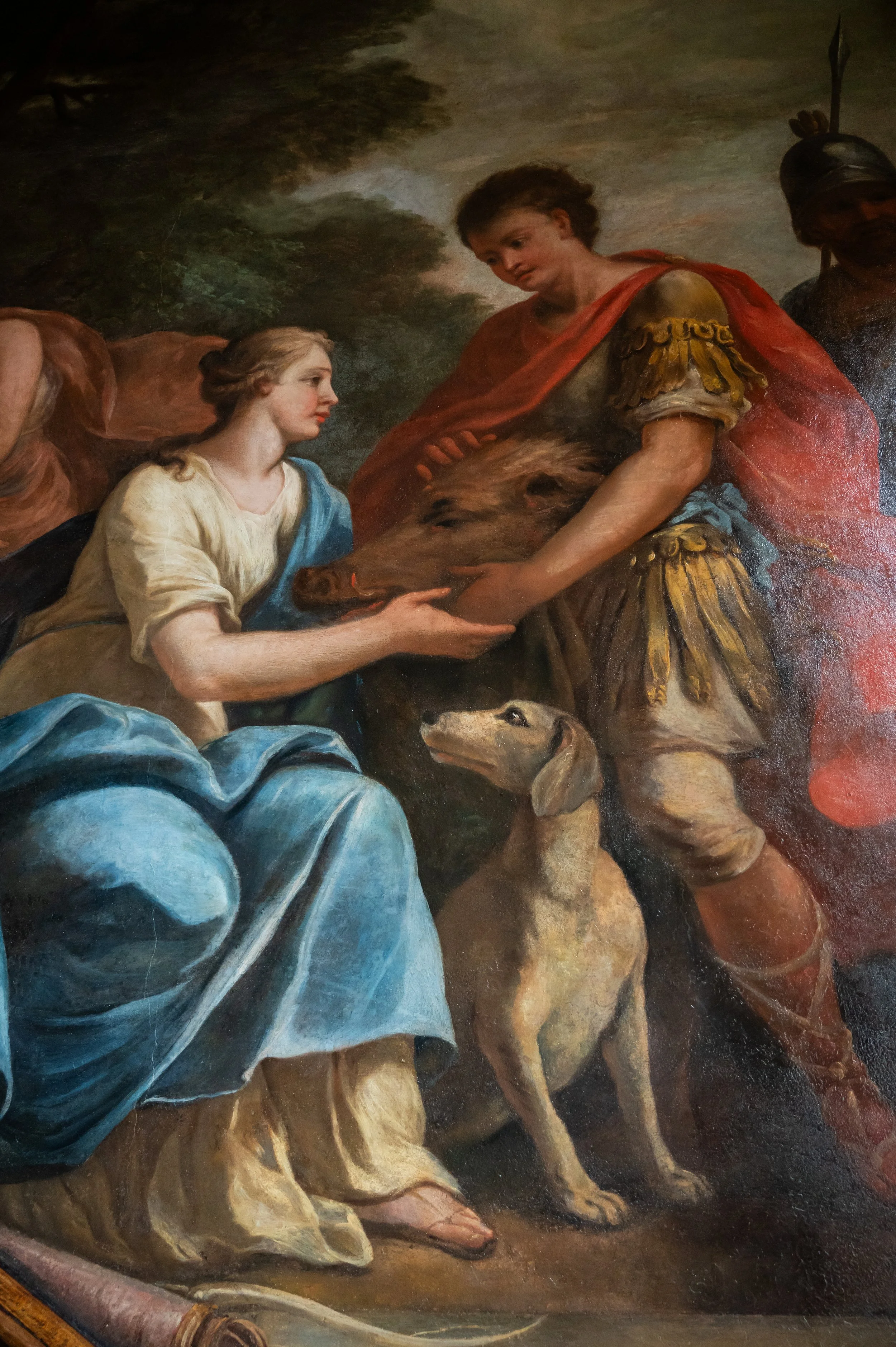
One of the joys of Thornhill is that he paints like a storyteller — with characters, symbolism, and theatrical gestures that reward slow looking.
At The Sherborne, descriptions of the mural point to figures drawn from classical mythology and allegory. For example, Diana (recognisable by a crescent moon) appears with hunting companions, and Eurus, the East wind, is shown driving away night and bringing dawn. It’s cinematic, and it’s clever: a painted world where nature, time, power and virtue all become characters on stage.
Thornhill at The Sherborne now: heritage in dialogue with the present
One of the loveliest things about Thornhill at The Sherborne is that his mural isn’t treated as a relic. It’s a living backdrop — part of the atmosphere for exhibitions, events and community moments, reminding us that contemporary creativity and historic imagination can sit side by side. That “then and now” feeling is core to how we think about the house today — heritage that stays open, warm and curious.
You can see this sense of dialogue most clearly in our recent programming, where Thornhill’s Baroque energy has been placed in conversation with the joyful invention of Quentin Blake — and alongside a newly conserved work attributed to Thornhill, the Folke Altarpiece (The Resurrection), on loan from St Lawrence Church, Folke.
Did you know…
He was the first British-born artist to be knighted for his work (in 1720).
His masterpiece, the Painted Hall at Greenwich, is one of Britain’s most ambitious decorative painting schemes — and it helped cement his reputation as the great Baroque muralist of his day.
The Sherborne mural is especially precious because Thornhill murals in private houses have often been lost over time — making Sherborne House’s survival all the more extraordinary.
You can experience Thornhill not only as art, but as atmosphere: the mural quite literally presides over the heart of the Georgian house during public opening hours.
Visit tip: how to look (without rushing)
Next time you’re here, try this: pause on the stairs, look up, then look along the walls. Thornhill’s world is built for movement — you don’t take it in with one glance; you let it unfold as you climb.
And if you’re bringing someone new to The Sherborne, Thornhill is the perfect “first story” to share: a Dorset painter with national reach, still very much at home in Sherborne.